Starting a clothing brand is an exciting endeavor, but navigating the production side can be overwhelming. Finding a reliable private label clothing manufacturer in India is one of the most critical decisions you will make as an entrepreneur. The right partner acts as an extension of your business, ensuring that your vision transforms into a high-quality, retail-ready product.
In this comprehensive guide, we will break down exactly what private label manufacturing is, how the process works, and what you need to know before you sign a production contract. Whether you are launching a boutique line of kurtis, a high-end shirt brand, or a comprehensive uniform supply business, understanding these fundamentals is vital to your success.
What is Private Label Clothing Manufacturing?
Private label clothing manufacturing involves a factory producing garments that are exclusively branded and sold by another company (your brand). Unlike buying generic wholesale clothing and reselling it, a private label manufacturer creates or modifies products to your specifications and attaches your custom neck tags, wash care labels, and branding.
Private Label vs. White Label
While often used interchangeably, there is a subtle difference. White label involves a manufacturer producing a standard, unbranded garment that multiple retailers can buy and put their logo on. Private label gives you more control over the specific fabrics, measurements, and design tweaks to create a product unique to your brand.
Who Should Use It?
Private labeling is perfect for fashion startups, boutiques, online retailers, and influencers who want to build brand equity. It allows you to focus on marketing, sales, and design while leaving the complex supply chain, sewing, and quality control to an experienced industrial manufacturer.
The Manufacturing Process: From Concept to Carton
Working with a custom garment manufacturer in India involves several distinct phases. Skipping or rushing any of these steps can lead to costly mistakes.
1. Choosing Garments and Fabric Selection
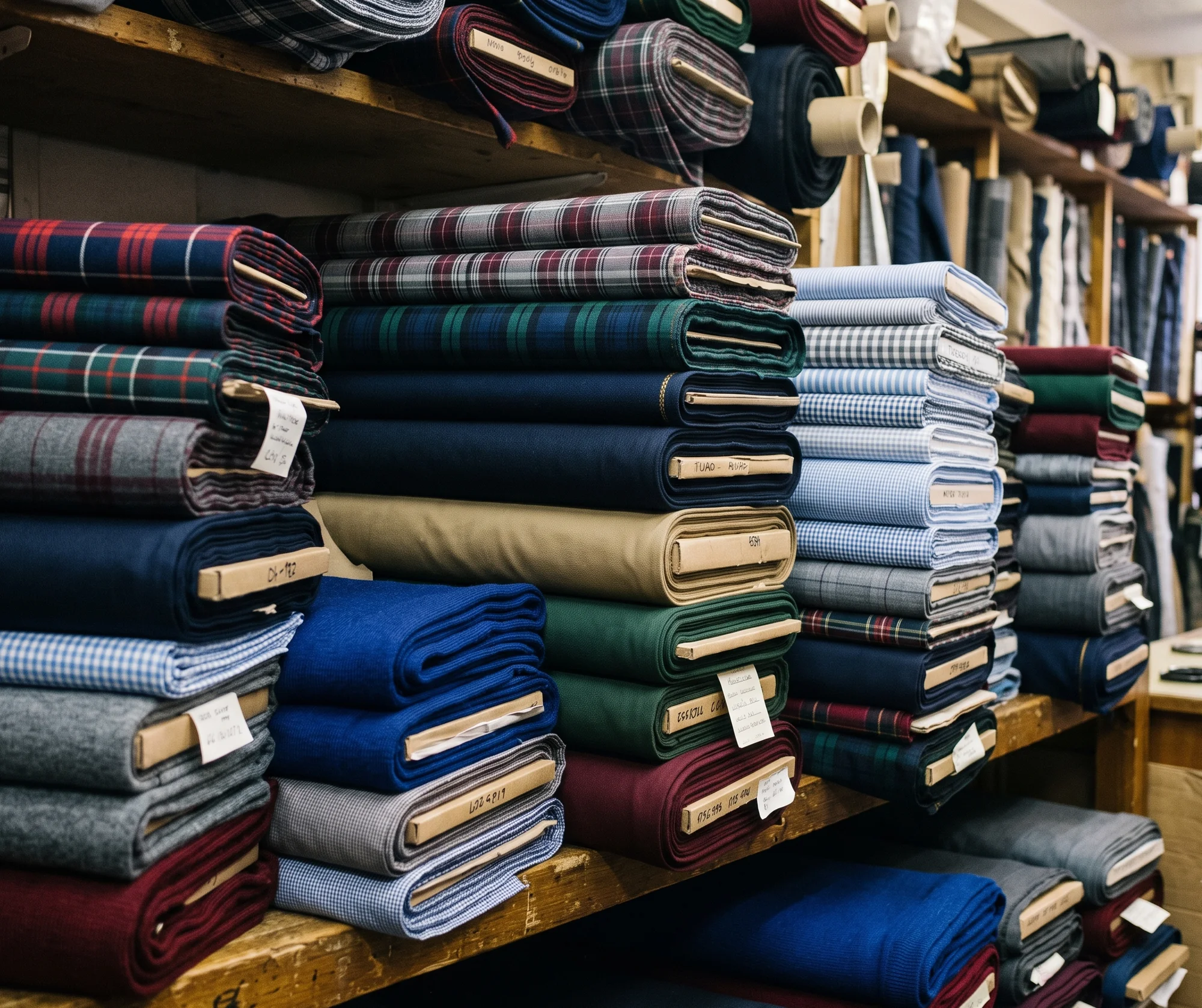
The first step is deciding on the specific garments you want to produce. If you are partnering with an experienced shirt manufacturer in India, you will need to specify whether you want formal shirts, casual wear, or uniforms. Following this is fabric selection—a crucial step that determines the feel, drape, and durability of your product. Manufacturers can source specific cotton blends, rayon, linens, and polyesters tailored to your price point and target audience.
2. Sampling and Sizing
Never proceed to bulk production without a physical sample. The sampling phase allows you to test the fabric quality, review the stitching, and ensure the sizing block matches your target demographic. Sizing is incredibly important; a "Medium" in one market can be a "Large" in another. A professional B2B garment manufacturer will provide size sets to help you lock in your grading (the mathematical scaling of sizes from XS to XXL).
Looking for a reliable garment manufacturing partner?
Talk to Amayra Clothing Co. about your production requirements. We specialize in shirts, kurtas, trousers, and custom label garments.
Request a Manufacturing Quote3. Labels, Branding, and Embroidery
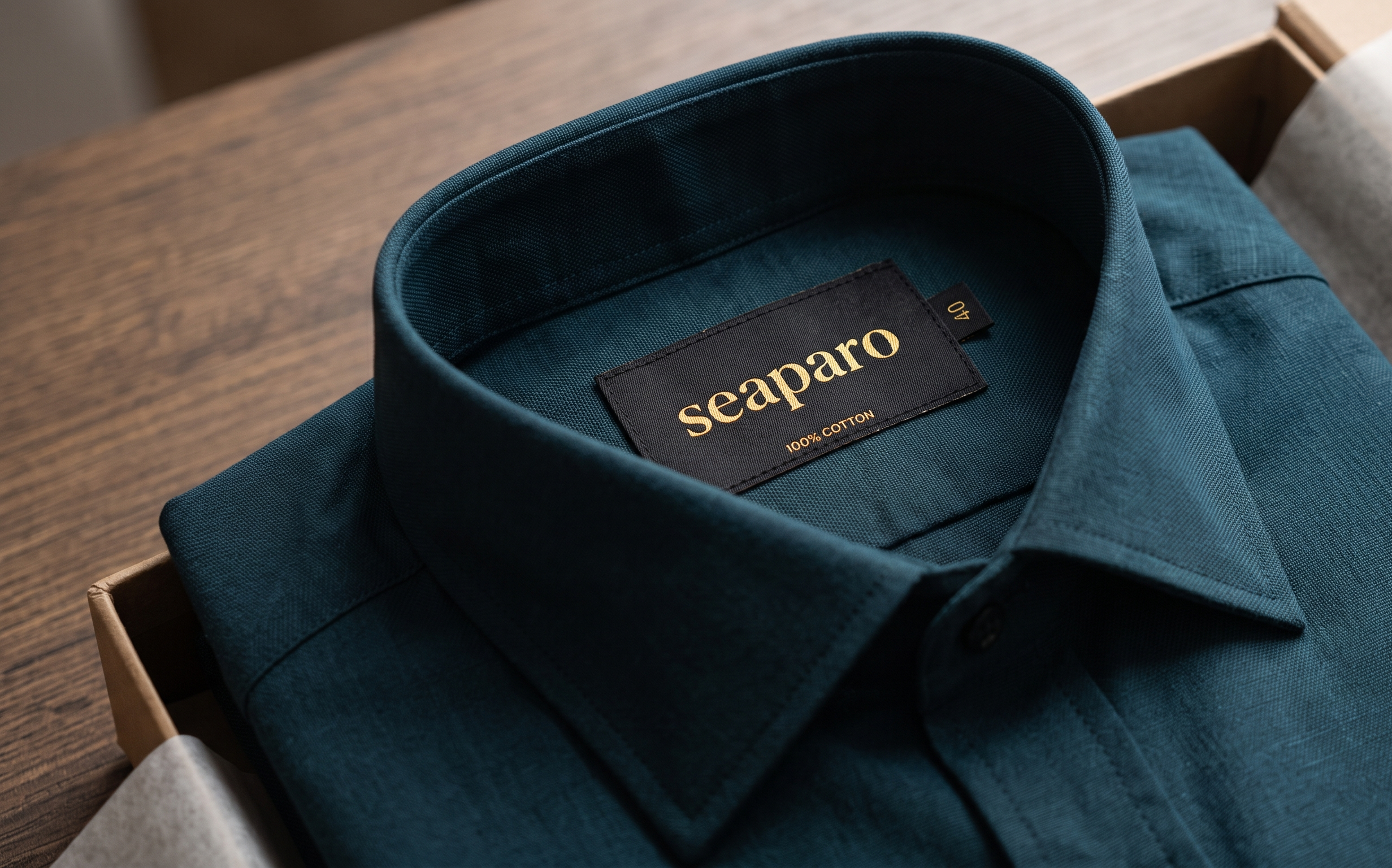
Your brand identity lives in the details. During this phase, you will finalize your neck labels, hang tags, and any custom embroidery. For example, if you are sourcing from a school uniform manufacturer, the precise digitization and stitching of the school emblem is non-negotiable. For private labels, this is where a generic garment transforms into your proprietary product.
Bulk Production, Quality Checking, and Packaging
Once the sample is approved, bulk production begins. The fabric is cut in large stacks using industrial machines, then moved to the sewing floor where skilled tailors assemble the pieces. Following assembly, the garments undergo rigorous quality control (QC). QC inspectors check for loose threads, stitching errors, and dimensional stability.
| Production Stage | Key Considerations | Manufacturer Responsibility |
|---|---|---|
| Cutting | Fabric grain, pattern alignment | Minimizing fabric wastage, ensuring precise cuts |
| Stitching | Seam strength, thread color | Maintaining high stitch-per-inch (SPI) standards |
| Finishing & QC | Ironing, loose threads, measurements | Removing defects before they reach the packaging department |
Finally, the garments are pressed, folded, and packaged according to your requirements. Premium wholesale garment manufacturers will offer options ranging from standard polybags to custom-branded retail packaging.
Understanding MOQ (Minimum Order Quantity)
One of the first terms you will encounter is MOQ. Industrial machinery, fabric sourcing, and assembly lines require scale to be profitable. Many large factories demand MOQs of 1,000+ pieces, which can be prohibitive for startups.
Finding a clothing manufacturer for startups that offers accessible MOQs is vital. A lower MOQ allows you to test the market with new designs without tying up all your capital in dead inventory. At Amayra Clothing Co., we champion growing brands by keeping our MOQs accessible while maintaining industrial-level quality standards.
Questions to Ask a Manufacturer
Before you commit to a production partner, conduct a thorough vetting process. A trustworthy manufacturer will be transparent and eager to answer your questions.
- What is your Minimum Order Quantity (MOQ) per style and per color?
- Do you offer custom branding, labeling, and packaging services?
- What is the standard lead time for sampling and bulk production?
- Do you have experience producing this specific type of garment?
- What are your payment terms for bulk orders?
Common Mistakes New Brands Make
The journey from concept to finished product is fraught with potential pitfalls. Avoid these common errors:
- Skipping the Tech Pack: A technical package is the blueprint of your garment. Without precise measurements and fabric details, the factory is left to guess, which often leads to errors.
- Ignoring Shrinkage: All fabrics shrink differently. A professional factory will test fabric shrinkage before cutting the bulk order.
- Chasing the Lowest Price: If a quote seems too good to be true, it is usually because the factory is cutting corners on fabric quality, worker conditions, or stitching standards. Focus on value, not just the lowest cost.
Frequently Asked Questions
MOQ stands for Minimum Order Quantity. It is the lowest number of garments a manufacturer will produce in a single order to ensure production is economically viable due to the fixed setup costs involved in cutting and assembly.
Yes, a reliable manufacturer will always provide a pre-production sample. This allows you to verify the fabric quality, sizing accuracy, and design details before you approve the bulk order.
Absolutely. The core benefit of private label manufacturing is that the clothing is produced specifically to be branded with your custom tags, labels, and packaging.
To get an accurate quote, you should provide technical specifications (a tech pack if possible), fabric preferences, a sizing breakdown, your estimated order quantity, and any specific branding or embroidery requirements.
Ready to Start Production?
Tell us your garment type, quantity, fabric preferences, and branding requirements.